Autism T-shirt Design 22: A Designer's Real-World Review
As someone who spends hours digitizing, stitching, and critiquing machine embroidery design files for both personal projects and client work, I approach every new asset with a mix of curiosity and skepticism. When I first opened the files for Autism T-shirt Design 22, my immediate goal wasn't just to admire the artwork on a screen, but to visualize exactly how it would translate into thread. This isn't just about having a pretty picture; it's about understanding how a graphic behaves when subjected to the mechanical reality of an embroidery hoop, the pull of tension, and the texture of fabric.
The product description highlights that this is a vector-based asset available in AI, EPS, PNG, and SVG formats, boasting 100% resizable vector shapes and easy color customization. For an embroidery professional, "vector" is a promising keyword, but the real test lies in the application. Does the layout hold up when scaled down for a baby onesie or scaled up for a tote bag? Let's dive into how this specific T-Shirt Designs graphic performs in a real-world crafting scenario.
First Impressions and Visual Personality
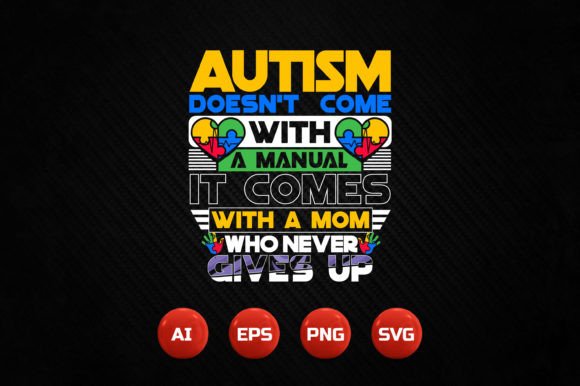
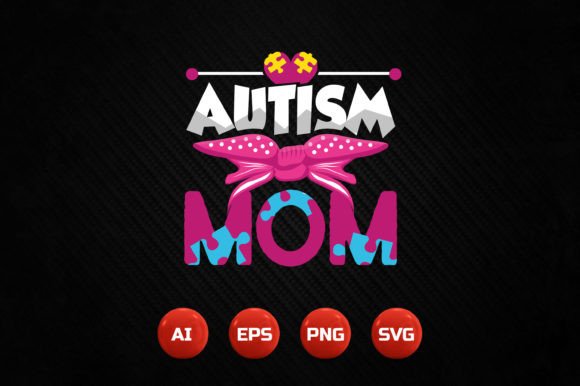
Upon reviewing the source file, Autism T-shirt Design 22 presents a clean, modern aesthetic that feels appropriate for its subject matter. The mood is supportive and aware without being overly cluttered. In the world of Graphics, simplicity often translates best to embroidery because complex gradients and tiny details can get lost in stitch conversion. This design appears to have strong, defined lines which are crucial for maintaining clarity once stitched.
The visual personality here suggests versatility. It doesn't scream "novelty item" in a way that limits its lifespan; rather, it feels like something a customer would proudly wear year-round. The layout seems balanced, which is essential when you are working within the constraints of a circular hoop size. A well-composed design allows the eye to rest and ensures that the message—in this case, autism awareness—is communicated instantly, even from a distance.
Real-World Application: The Custom Sweatshirt Project
To truly evaluate this asset, I imagined a specific project: a custom order for a local boutique needing a run of sweatshirt embroidery for an awareness walk. The client wanted something soft yet durable on a heavy cotton blend. This is where Autism T-shirt Design 22 shines. Because the file offers easy color changes, I could quickly adapt the palette to match the school colors or the specific ribbon shades requested by the customer.
When translating this digital embroidery file into a stitch-out, the solid shapes suggest they would work beautifully as fill stitch areas. Unlike intricate line art that might require excessive running stitch work (which can be fragile), the broader shapes in this design likely allow for dense, durable coverage. If you were to use this for an embroidered patch, the clean edges would make finishing the merrow border much easier, resulting in a professional-looking finished product that adds value to your craft business.
Furthermore, for an Etsy seller looking to expand their catalog beyond standard tees, this design fits perfectly on a canvas tote bag design. The scalability mentioned in the description means you aren't locked into one size. You could place a large version on the back of a jacket or a smaller iteration on a pocket, giving you flexibility in your small shop product lineup.
Navigating Fabric Challenges and Stitch Density
While the design is robust, practical experience dictates that we must consider where caution is needed. If you are planning to use Autism T-shirt Design 22 on stretchy fabrics like jersey knits or thin performance wear, stitch density becomes a critical factor. Even though the source is a vector graphic, the digitized version you create (or purchase separately) must account for fabric pull. High-density fills on a stretchy baby embroidery project can cause the garment to pucker or the stitches to break after washing.
Textured fabrics also present a challenge. If you are stitching this onto a waffle knit or a heavily textured towel, fine details might get swallowed by the fabric loops. In these cases, I recommend testing the design on scrap fabric first. Check how the thread colors contrast against the background; sometimes a color that looks vibrant on screen disappears against a dark or busy fabric texture. Using a proper stabilizer is non-negotiable here to ensure the design remains crisp and doesn't distort over time.
Curved surfaces, such as caps, require extra attention. The flat nature of many T-Shirt Designs can look distorted when forced onto the front panel of a hat. If you attempt this, ensure your digitizing software compensates for the curvature, or stick to flatter applications like aprons or pillow covers where the design can lie flat.
Commercial Value and Brand Consistency
For creative entrepreneurs, the ultimate question is: does this design help sell products? The answer with Autism T-shirt Design 22 leans toward yes, provided it is executed well. Awareness apparel is a significant market, and customers look for professionalism. A sloppy stitch job on a meaningful design can damage trust, but a clean, well-executed version builds customer trust and enhances brand consistency.
This graphic serves as an excellent foundation for printable mockup creation as well. Before you even thread your machine, you can use the SVG or PNG files to create realistic previews for your online store. This helps manage customer expectations and increases buyer engagement. Whether you are selling the physical handmade product or using the design as part of a larger commercial embroidery package, the clean lines support a high-end look.
Essential Designer Notes for Success
Before committing to a full production run, keep these practical tips in mind:
- Verify Licensing: Always confirm the license terms before selling finished items. Just because a file is purchasable doesn't automatically grant unlimited commercial rights for mass production.
- Test Contrast: Run a black-and-white test print or stitch-out to ensure the design elements distinguish themselves clearly without relying solely on color.
- Check Small Details: If the design includes any text or tiny icons, ensure they are large enough to be stitched cleanly. Tiny lettering often requires a different font or simplification for embroidery.
- Stabilizer Selection: Match your stabilizer to the fabric weight. Heavy designs on light fabric need cut-away stabilizer to prevent sagging.
- Wash Testing: Subject your sample to multiple wash cycles to ensure the thread colors don't bleed and the shape holds up.
In conclusion, Autism T-shirt Design 22 offers a solid foundation for a variety of embroidery project types. Its vector origins provide the flexibility needed for modern customization, while its visual clarity makes it suitable for everything from holiday embroidery gifts to boutique merchandise. By respecting the limitations of the medium and preparing your materials correctly, you can turn this digital asset into a tangible product that resonates with customers and stands the test of time.